
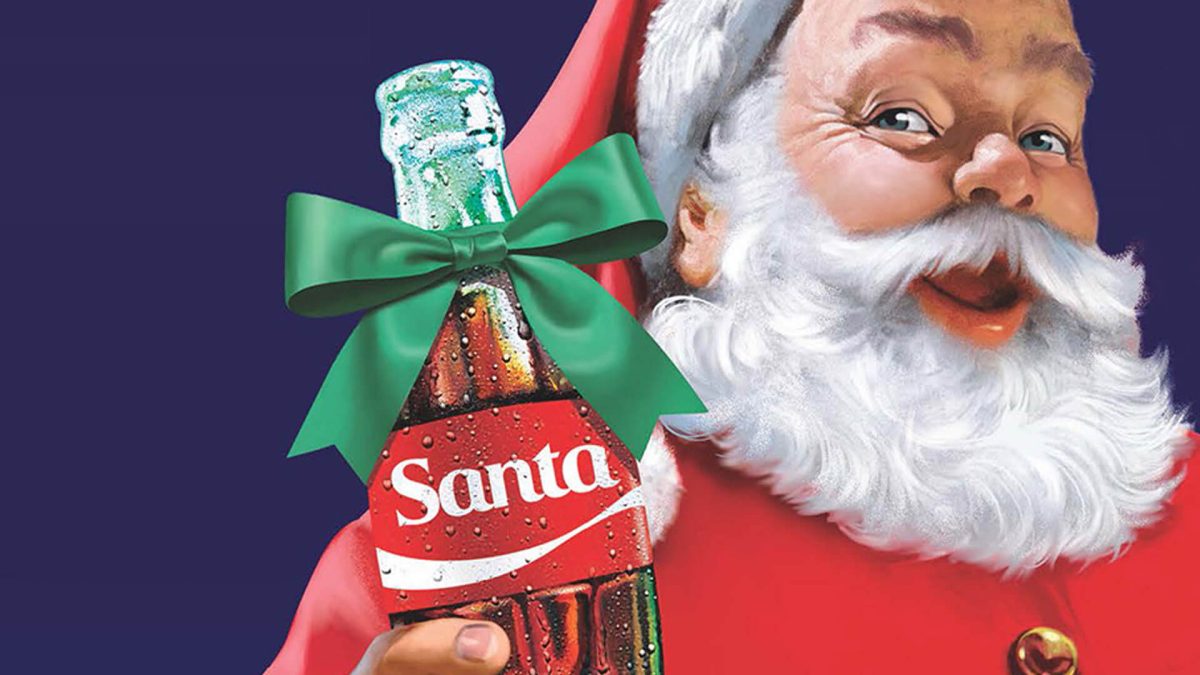
As the holiday season continues to rapidly approach, faded childhood memories of a plump, bearded man holding a shiny bottle of Coca-Cola comes to the forefront of nostalgic folk’s minds. A squinty-eyed smile is a constant reminder of the generosity of gift-giving and kindness. To many of us in the west, we look back on him fondly, the name “Santa Claus” etched into our cultural vocabulary.
In nearly every corner of the world, a figurehead that represents the holiday spirit emerges during these unforgiving months – a much-needed reprieve from the icy, unkind weather the winter months bring. In many cultures, old Saint Nicholas (colloquially known as “Sinterklaas” by the Dutch-speakers of the Netherlands) represents selflessness and compassion.

Saint Nicholas epitomizes the spirit of human generosity. The original story of Saint Nick follows the life of a man who went out of his way to care for others. As history continues to remove itself from the third century, we too begin to drift away from the original story of Saint Nicholas’ life.
With each passing year, corporate companies send out the message that we, as consumers, must remember that the holidays are meant for generosity and selflessness – giving what we have to those who need it most. In the same breath, they tell us that the best way to give back is with their gift baskets that cost upwards of one-hundred dollars.
Here in the west, our new and improved “Santa” has become the pinnacle of consumerist achievement; six figures well-spent on rosy-cheeked children in the wee hours of Christmas morning. Images of sugar-plum fairies with dollar bills wadded haphazardly in their costumes dancing above our sleeping heads come to mind. The reigning question is: how did the glorious West commandeer this untarnished idea of sweetness, and turn it into one of their biggest wintertime moneymakers? The answer to this question lies within the pulse of our treasured American dream.
As many folks understand, consumerism is a large part of our American identity. As put by the UAB institute for Human Rights Issues: “We live in a capitalistic culture that thrives on consumers’ dissatisfaction. Our society’s culture defines American success as getting promoted to a position high enough that one can make enough money to purchase a big house in the suburbs, add a few cars, and have an annual family vacation.” This idea of being at the “epitome of excess” has been a monumental part of the genealogy of this country. After all, the American Dream is built on the idea that one can pull himself up by his bootstraps, a feat that is legitimately impossible. A person who pulls on his own shoes is doomed to fall right on his face.
As how this idea relates to Christmas, the Western Howl puts it into a greater context: “With every passing year, Christmas decorations begin to appear in stores across the country earlier and earlier, screaming — buy me. Department store Santas invite children to sit on their laps while anxious parents buy last minute gifts to put under their decked-out trees.” The average American struggles to scrape enough money together to spend on not only over-the-top presents, but the latest flash-in-the-pan Christmas chachkies and a succulent feast to feed their extended families. The average American family suffers economically in ways that flip the American Dream head-over-bootstraps.
Americans are indeed tired. The federal minimum wage of $7.25 an hour is not nearly enough to support any sort of livable lifestyle; that kind of money will not support an average person living on their own in a studio apartment, which many Americans who grew up in the cozy suburbs do not yet understand. This is a failure of the American Dream. In this world there seems to never be enough to go around, even when living in excess. The Coke Bottle Sinterklaas that sits atop a gingerbread throne is not enough to bring people together this holiday season. That work comes from within us, and we must make a change.