As the boxelder bugs begin to creep into our windowsills, nestling their way through brittle screens, the overwintering process begins. Seeking refuge in sunny hiding places, these insects begin to hibernate, protecting their fragile bodies from the harsh, imminent frost that the winter months promise. As time goes on, the shy October sun begins to fade into dark, frothy clouds. Grass that was once a rich, vibrant green is now a distended stretch of sickly yellow. Winter is rolling in, and the boxelder bugs hide away, knowing just how to protect themselves from freezing.
In a strange way, humankind has overwintering habits too. We huddle together in the warmest spots we can find, stay indoors, conserve our energy. Even the folks who proudly proclaim that they are “snowbirds” are overwinterers, too.
Winter is a time of rest – not just for bugs and birds – for everything. Plants hibernate, tucking their delicate petals away until they can burgeon forward once again in the spring, remaining in this cyclical motion until they are plucked from the earth.
The pressures of Western society often push us into frenzied consumerism during the holidays. For instance, it is commonplace for us to host opulent parties, and even form New Year’s Resolutions. A time of year that has been reserved for peace and rest has been twisted into an anxious knot. When all of nature is tucked away under the blanket of wintertime, maybe people ought to follow its lead.
Many people find refuge in their favorite hobbies over the cold months. This is a time for readers to unabashedly wrap themselves tightly in a downy comforter and refuse to move for hours on end. Some readers find escapism through bright fantasy novels, especially for this dark time of year. Where lively, hopeful characters in interesting, faraway worlds bring us away from reality, there are some readers who revel in the sincerity of certain genres of literature.
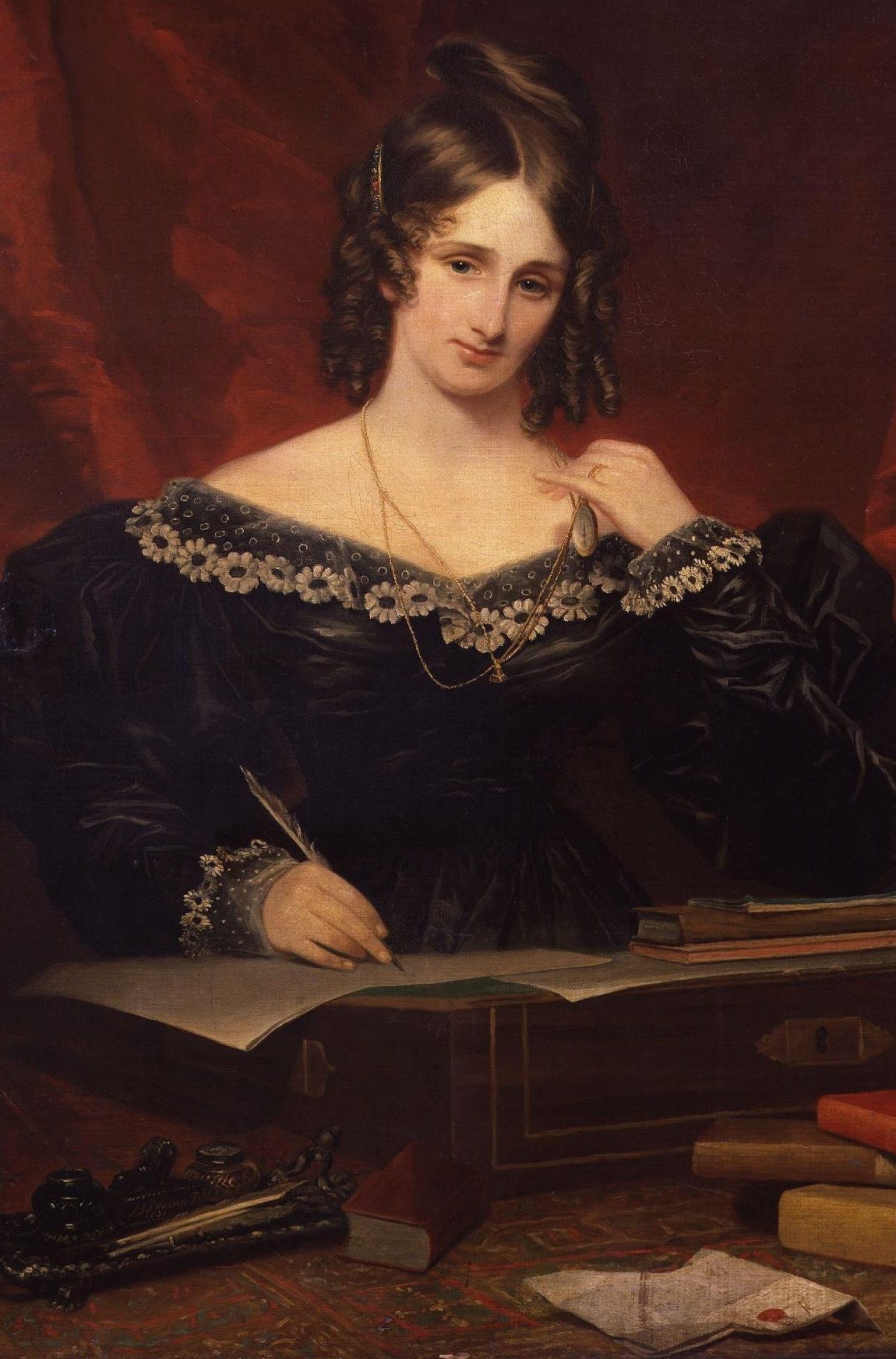
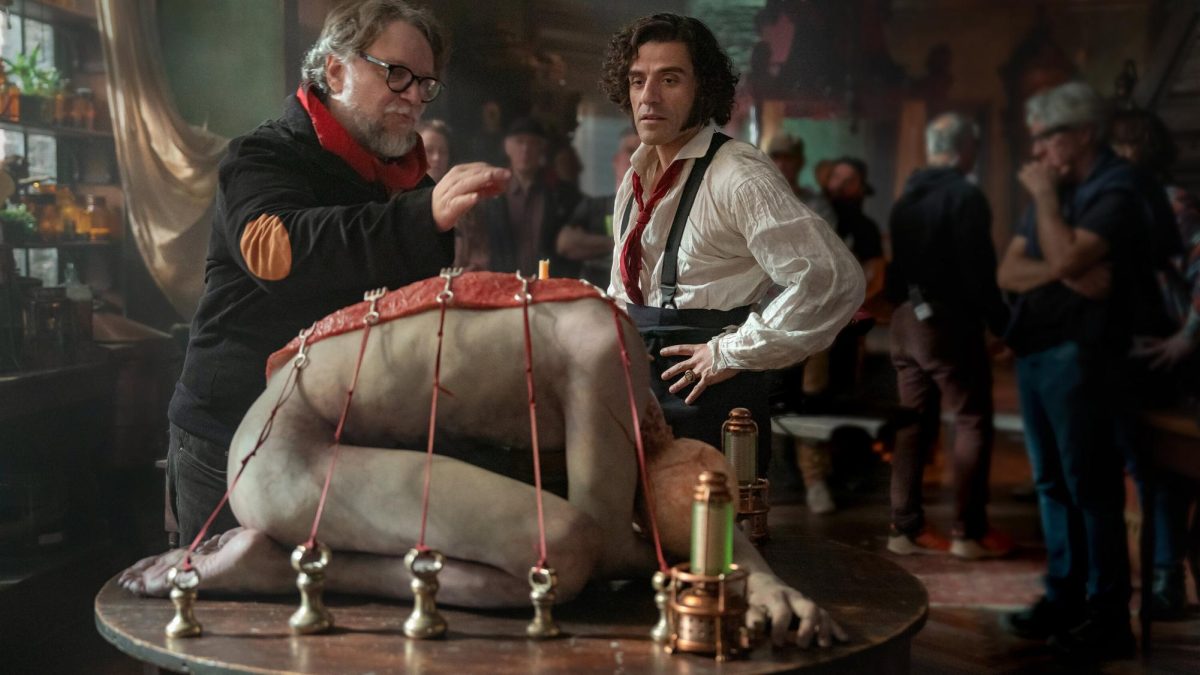
Sinking deeper into popular genres, gothic literature sits gravely. Budding up in the 1790s, dark, violent, and romantic (sumptuous, surreal) stories began flowing out of young writers. It was the end of the 18th century that brought us classics such as Mary Shelley’s “Frankenstein” (recently adapted into a wildly successful film by Guillermo del Toro), and the genre was only getting started.
Other such notable classics of the genre are Bram Stoker’s “Dracula,” Emily Brontë’s “Wuthering Heights” (not to be confused with Kate Bush’s song of the same title), Oscar Wilde’s “The Picture of Dorian Gray,” and Sheridan Le Fanu’s “Carmilla.”
What is so interesting about gothic literature is that the topics and themes vary wildly. While finding obscure beauty within the darkest recesses remains a stable through-line, the genre isn’t all haunted houses and ravens. One could argue that the genre is existentialist in nature – take Russian writer Fyodor Dostoyevsky, for instance. He is considered a pre-existentialist, yet he has contributed so much to the literary and thoughtfulness that rules over the modern take on the worldview. With books like “The Idiot” and “Crime and Punishment” published during gothic literature’s heyday, a lot could be said about the intermingling of existentialist philosophy and gothic literature. As existentialist Friedrich Nietzche suggests, we must become lucid in the face of reality – freedom is an illusion, after all. It is rare to see a thought that pinpoints gothic surrealism just as Nietzsche has.
Lucidity, freedom, indulgence – these are main focal points of gothic literature as a whole. The genre wrestles with big questions, the characters often plagued by the shackles of what it means to be human. Benjamin Eliopulos, a jaded Liberty University graduate explores this theme further: “the poignant emotional stories are charged, and pertinent to the stories and characters at hand. They are also relevant to the sociopolitical climate of the time. Drama and interpersonal relationships are used as steppingstones for a personal or social collapse, with tragedy at the end.” He pushes the idea that the art being created reflects the social climate of the time. Art imitating life and vice versa has been seen time and time again, leaving gothic literature and existentialist philosophy as no exception.
If wintertime brings us into seasonal depression, or cloudy states of big questions, maybe we should consider honoring the confusion or depression, instead of turning a blind eye toward it. While sitting in the face of large, impossible questions is daunting, it is imperative to embrace the absurd and press on. As Nietzsche repeats ever so often, Amor Fatí! Or rather, love your fate. Enjoy the process of life, even if it is overwhelming – this is all we have right now.
There is hope to be found in our windowsills during winter. The boxelder bugs that find refuge there don’t muddy themselves with hatred for the season, they simply just are. They find a way to remain steadfast through hardship, and for us, finding refuge in the absurd may be the key to overwintering.